Sales Tax
Sales Tax
Definition Activities Importance Aspects Concepts Action
Overview of Sales Tax
Definition of
Sales Tax
What is Sales Tax? Sales Tax is a consumption tax imposed by government authorities (such as state, county, or city) on the sale of certain goods and services. It is typically calculated as a percentage of the sales price and is collected by the seller from the buyer at the point of purchase. The seller is then responsible for remitting the collected sales tax to the appropriate tax agency. Sales tax rates and the taxability of items vary significantly by jurisdiction.
Activities Related to
Sales Tax
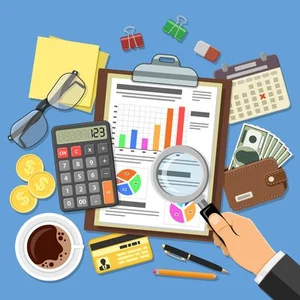
Here is a list of Sales Tax related activities: Registering with state and local tax authorities to obtain a sales tax permit, Determining the taxability of products or services sold, Calculating the correct sales tax amount on each transaction based on applicable rates, Collecting sales tax from customers at the point of sale, Maintaining accurate records of sales and sales tax collected, Filing periodic sales tax returns with the appropriate tax agencies, and Remitting the collected sales tax by the due dates. Ensuring tax compliance in this area is crucial.
The Importance of
Sales Tax
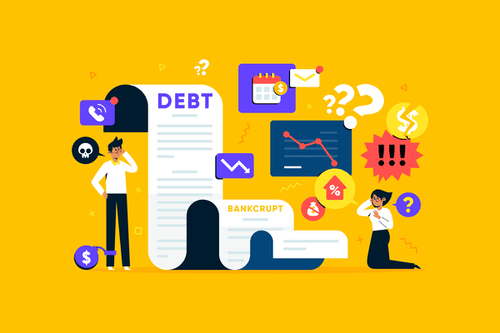
For small business owners, Sales Tax compliance is a significant responsibility. Businesses act as collection agents for the government, and failure to properly collect, report, and remit sales tax can lead to substantial penalties, interest, and audits. Understanding sales tax obligations, which can vary greatly depending on the location of the business and its customers (especially with online sales), is vital. Properly managing sales tax also ensures fair competition and contributes to public revenue that funds state and local services.
Key Aspects of
Sales Tax

Consumption Tax
Levied on the final consumer of goods and services.
Collected by Seller
Businesses are responsible for collecting the tax from customers and remitting it to the government.
Varies by Jurisdiction
Rates and rules differ significantly between states, counties, and cities. Online sales have added complexity (nexus rules).
Exemptions Apply
Certain goods (like groceries or prescription drugs) or types of buyers (like non-profits) may be exempt from sales tax.
Concepts Related to
Sales Tax

Sales Tax is a type of Indirect Tax, as it’s collected by an intermediary (the seller) rather than directly by the government from the person who bears the economic burden (the consumer). It is closely related to Sales transactions and requires meticulous bookkeeping for accurate reporting and Tax Compliance. It differs from Excise Tax, which is levied on specific goods. Use Tax is a related concept for items purchased without sales tax being collected.
Sales Tax
in Action:
The Adventures of Coco and Cami

When Coco rings up a customer for a sandwich and a drink, she adds a small extra amount to the total. Cami does the same for her coffee and merchandise sales.
Professor A explains that this extra amount is Sales Tax, which they collect for the government. They learn about their responsibility to charge it correctly, keep records, and send it to the tax authorities.
Take the Next Step
Managing Sales Tax obligations can be complex and varies by location. Ensure your business is compliant with all sales tax rules. Need help with sales tax setup, collection, or remittance? Schedule a free 30-minute consultation.
Contact Sales for a Free Consultation