Bad Debt Expense
Bad Debt Expense
Definition Activities Importance Aspects Concepts Action
Overview of Bad Debt Expense
Definition of
Bad Debt Expense

What is Bad Debt Expense? Bad Debt Expense is an operating expense recognized by a company when accounts receivable are deemed uncollectible and written off. This occurs when customers who purchased goods or services on credit are unable or unwilling to pay the amounts owed. Recording bad debt expense is crucial for adhering to the matching principle in accrual accounting, which states that expenses should be recognized in the same period as the related revenue. It provides a more accurate picture of a company’s profitability by accounting for potential losses from credit sales.
Activities Related to
Bad Debt Expense
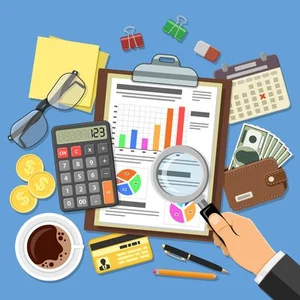
Here is a list of activities related to Bad Debt Expense: Estimating uncollectible accounts using methods like the percentage of sales method or the accounts receivable aging method. Establishing an “Allowance for Doubtful Accounts,” which is a contra-asset account that reduces the net value of accounts receivable on the Balance Sheet. Making adjusting entries to record the estimated bad debt expense. Writing off specific uncollectible accounts against the allowance account once they are confirmed as bad debt. Analyzing the adequacy of the allowance account periodically. Implementing credit policies and collection procedures to minimize bad debts. Our blog post on bad debt offers more insights.
The Importance of
Bad Debt Expense
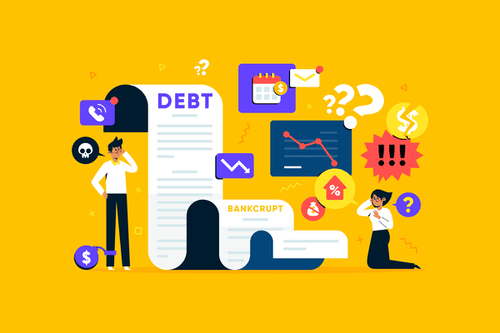
Recognizing Bad Debt Expense is important for accurate financial reporting. It ensures that the Income Statement reflects a realistic measure of net income by matching revenues with the associated costs of extending credit (i.e., uncollectible accounts). It also ensures that the Balance Sheet presents accounts receivable at their net realizable value – the amount the company actually expects to collect. This helps stakeholders make informed decisions and is a requirement under GAAP. Effective management of bad debt can also improve cash flow monitoring.
Key Aspects of
Bad Debt Expense

Estimation
Typically estimated based on historical experience, industry averages, or specific identification of risky accounts.
Matching Principle
Aims to match the expense of uncollectible accounts with the revenues generated from credit sales in the same period.
Allowance Method
The preferred method under GAAP, using an allowance account to estimate and absorb bad debts.
Direct Write-Off Method
A simpler method where bad debt is only recognized when a specific account is deemed uncollectible; however, it may not align with the matching principle and is often not GAAP-compliant for material amounts.
Concepts Related to
Bad Debt Expense

Bad Debt Expense is directly related to Accounts Receivable (A/R) and the risk associated with credit sales. The “Allowance for Doubtful Accounts” is a crucial contra-asset account used with this expense. Understanding bad debt is essential for assessing a company’s liquidity ratios, like the quick ratio, as it affects the net realizable value of receivables. It also impacts the reported profitability ratios on the income statement.
Bad Debt Expense
in Action:
The Adventures of Coco and Cami

Cami’s boutique sold some dresses on credit to a customer who, unfortunately, went out of business and couldn’t pay. Professor A explains that the amount Cami won’t be able to collect is recorded as a Bad Debt Expense. This helps show the true cost of selling on credit.
Coco learns that by estimating potential bad debts each month, even before knowing exactly which customers won’t pay, she can create more accurate financial reports. This is part of good bookkeeping and helps in understanding the real bottom line.
Take the Next Step
Managing and accounting for Bad Debt Expense is crucial for maintaining healthy accounts receivable and accurate financial statements. If you need help implementing effective methods for estimating and recording bad debts, or developing strategies to minimize them, Sync-Up Business Services is here to assist. Learn more about protecting your business by reading our article on bad debt or schedule a free 30-minute consultation.
Contact Sales for a Free Consultation