Deferred Revenue
Deferred Revenue (Unearned Revenue)
Definition Activities Importance Aspects Concepts Action
Overview of Deferred Revenue (Unearned Revenue)
Definition of
Deferred Revenue

What is Deferred Revenue? Deferred Revenue, also commonly known as Unearned Revenue or prepaid revenue, represents payments received by a company from a customer for goods or services that have not yet been delivered or rendered. According to the accrual accounting method and the revenue recognition principle, this advance payment cannot be recognized as revenue on the Income Statement until the company fulfills its obligation to the customer. Instead, it is recorded as a current liability on the Balance Sheet because the company owes the customer the product or service, or a refund if the obligation isn’t met. As the goods are delivered or services are performed over time, the deferred revenue is gradually recognized as earned revenue.
Activities Related to
Deferred Revenue

Here is a list of Deferred Revenue related activities: Receiving advance payments from customers for subscriptions (e.g., for SaaS products), gift cards, or service retainers, Recording the initial cash receipt as an increase in cash (asset) and an increase in deferred revenue (liability), Tracking the delivery of goods or performance of services related to the advance payment, Making adjusting journal entries periodically (e.g., monthly) to reduce the deferred revenue liability and recognize the earned portion as revenue on the Income Statement, and Managing customer contracts and obligations to ensure revenue is recognized appropriately over the service period. Accurate bookkeeping is vital for this process.
The Importance of
Deferred Revenue
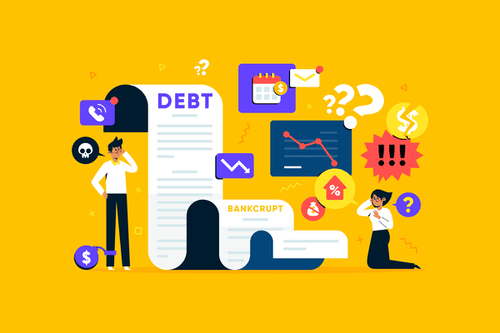
Deferred Revenue is important for several reasons. Firstly, it adheres to the revenue recognition principle under GAAP and accrual accounting, ensuring that financial statements provide an accurate picture of a company’s financial performance by matching revenue earned with the period in which it was earned. Secondly, it reflects a company’s future obligations to its customers; a large deferred revenue balance can indicate strong future revenue streams but also significant future work. Managing deferred revenue correctly is crucial for accurate taxable income calculation and for providing transparency to investors and stakeholders about the company’s true earnings and liabilities. It’s a key metric for subscription-based businesses and impacts cash flow forecasting.
Key Aspects of
Deferred Revenue

Liability Recognition
Initially recorded as a liability (typically current) on the Balance Sheet.
Revenue Recognition Principle
Revenue is recognized as it is earned by delivering goods or services, not when cash is received.
Advance Payment
Arises from customers paying upfront for future products or services (e.g., subscriptions, retainers).
Impacts Financial Statements
Affects both the Balance Sheet (liability reduces over time) and the Income Statement (revenue increases as earned).
Concepts Related to
Deferred Revenue

Deferred Revenue (or Unearned Revenue) is a core concept in Accrual Accounting and contrasts with Cash Accounting. It represents a Liability on the Balance Sheet until the Revenue is earned and recognized on the Income Statement. This differs from Accrued Revenue, which is revenue earned but not yet received. Common in SaaS and subscription models.
Deferred Revenue
in Action:
The Adventures of Coco and Cami

Cami sells a 6-month flower subscription, and the customer pays for all six months upfront. Coco takes a large deposit for a wedding cake that she will bake and deliver in three months.
Professor A explains that the money Cami and Coco received is initially Deferred Revenue (or Unearned Revenue). They can’t count it all as income right away because they haven’t delivered all the flowers or the cake yet. Each month, as Cami delivers flowers, a portion of that deferred revenue becomes earned revenue. Similarly, when Coco delivers the cake, her deposit becomes fully earned. This is a key part of accrual accounting.
Take the Next Step
Properly accounting for Deferred Revenue is crucial for accurate financial reporting and tax compliance, especially for businesses with subscription models or advance payments. Sync-Up Business Services can help ensure your revenue is recognized correctly. Schedule a free 30-minute consultation.
Contact Sales for a Free Consultation