Intangible Asset
Intangible Asset
Definition Activities Importance Aspects Concepts Action
Overview of Intangible Asset
Definition of
Intangible Asset
What is an Intangible Asset? An Intangible Asset is a non-physical asset that has economic value because of the rights and privileges it confers to the owner. Unlike tangible assets such as buildings or equipment, intangible assets cannot be physically touched. Common examples include patents, copyrights, trademarks, brand names, customer lists, franchises, and goodwill. These assets can be crucial to a company’s success and are recorded on the balance sheet. Their cost is typically spread over their useful life through a process called amortization.
Activities Related to
Intangible Asset
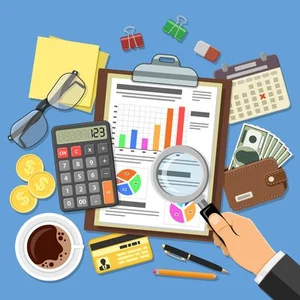
Here is a list of Intangible Asset related activities: Acquiring or developing intellectual property (patents, trademarks, copyrights), Valuing intangible assets during business acquisitions (e.g., recognizing goodwill), Calculating and recording amortization expense for intangible assets with finite lives, Assessing for impairment of intangible assets, Legally protecting intellectual property rights, Licensing intangible assets to other parties, and Reporting intangible assets on the balance sheet.
Proper accounting and valuation of these non-physical assets are essential for accurate financial reporting.
The Importance of
Intangible Asset
For small business owners, Intangible Assets can represent a significant portion of the company’s value, even if they aren’t physical. Strong brand recognition, a loyal customer base, unique proprietary technology (patents), or valuable creative works (copyrights) can provide a substantial competitive advantage and contribute to future revenue streams. Properly identifying, valuing, and protecting these assets is crucial. Furthermore, understanding how to account for intangible assets, including their amortization, is essential for accurate financial statements and tax compliance.
Key Aspects of
Intangible Asset

Lack of Physical Substance
Unlike tangible assets, they cannot be seen or touched but still hold economic value.
Source of Future Economic Benefits
They are expected to generate future income or provide a competitive advantage for the business (e.g., a patent allows exclusive production).
Amortization (for finite-life intangibles)
The cost of intangible assets with a determinable useful life is systematically expensed over that life through amortization, similar to depreciation for tangible assets. Goodwill is typically tested for impairment rather than amortized under GAAP.
Concepts Related to
Intangible Asset

Intangible Assets are a category of Assets shown on a company’s Balance Sheet, distinct from Tangible Assets. Their accounting treatment often involves Amortization if they have a finite useful life. Intellectual property rights such as patents, trademarks, and copyrights are common examples. Goodwill is a unique intangible asset that arises from business acquisitions. Asset tracking principles can also apply to managing these valuable non-physical resources.
Intangible Asset
in Action:
The Adventures of Coco and Cami

Follow Coco and Cami as they discuss the value of Coco’s secret sandwich recipe and Cami’s growing coffee shop brand name – things they can’t touch but are very valuable.
Watch as Professor A explains Intangible Assets to Coco and Cami, highlighting how things like patents, trademarks, and goodwill contribute to their business’s worth.
Take the Next Step
Understanding and properly accounting for your intangible assets can significantly impact your business valuation and financial reporting. Need help with asset valuation or amortization? Let’s schedule a free 30-minute no-obligation consultation.
Contact Sales for a Free Consultation