Invoice
Invoice
Definition Activities Importance Aspects Concepts Action
Overview of Invoice
Definition of
Invoice

What is an Invoice? An Invoice is a commercial document issued by a seller (or service provider) to a buyer (or client), detailing a transaction and requesting payment for goods sold or services rendered. It typically includes an itemized list of products or services, quantities, agreed-upon prices, total amount due, payment terms, and the date of issue. An invoice serves as a formal demand for payment and is a crucial record for both the seller’s accounts receivable and the buyer’s accounts payable.
Activities Related to
Invoice
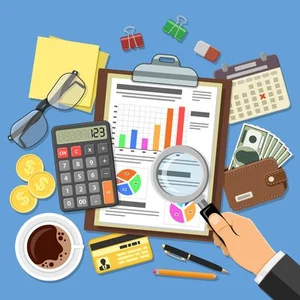
Here is a list of Invoice related activities: Creating and issuing invoices to customers after sales or service completion, Tracking the status of unpaid invoices, Sending payment reminders or statements for overdue invoices, Receiving and processing customer payments against specific invoices, Managing accounts receivable to ensure timely collection, Reconciling invoice records with bank statements and payment receipts, and Handling invoice disputes or issuing credit memos for adjustments.
For the buyer, activities include receiving the invoice, verifying its accuracy against goods/services received, and processing it for payment through their accounts payable system or bill pay service.
The Importance of
Invoice
For small business owners, Invoices are fundamental to managing cash flow and maintaining accurate financial records. They provide a formal way to request payment from customers, which is essential for generating revenue. Well-prepared invoices with clear terms help prevent misunderstandings and expedite payments, improving the accounts receivable collection cycle. Invoices also serve as critical legal and accounting documents for tracking sales, calculating taxes (like sales tax), and supporting bookkeeping entries. They are indispensable for financial organization and demonstrating professionalism.
Key Aspects of
Invoice

Record of Sale/Service
It provides an itemized list of what was sold or provided, quantities, and prices, serving as a formal record of the transaction.
Request for Payment
Clearly states the total amount due from the buyer to the seller and outlines the payment terms (e.g., due date, accepted payment methods).
Essential for Tracking
Crucial for managing accounts receivable, tracking sales performance, and providing documentation for bookkeeping and tax purposes.
Concepts Related to
Invoice

An Invoice is a key document in the sales cycle, directly leading to Accounts Receivable for the seller and Accounts Payable for the buyer. It substantiates Revenue recognition and is critical for accurate bookkeeping. Payment terms on an invoice dictate when payment is due. Invoices differ from purchase orders (which are buyer-initiated requests) and receipts (which confirm payment has been made). For businesses that need to manage payments, a Bill Pay service can help streamline the processing of received invoices.
Invoice
in Action:
The Adventures of Coco and Cami

Follow Coco and Cami as they complete their first catering orders and learn they need to send their customers a bill for the services provided.
Watch as Professor A explains what an Invoice is, why it’s important, and what information Coco and Cami need to include to get paid correctly.
Take the Next Step
Efficient invoicing is key to healthy cash flow. Need help streamlining your invoicing process or managing your accounts receivable? Let’s schedule a free 30-minute no-obligation consultation.
Contact Sales for a Free Consultation