Liquidation
Liquidation
Definition Activities Importance Aspects Concepts Action
Overview of Liquidation
Definition of
Liquidation
What is Liquidation? Liquidation is the process of bringing a business to an end and distributing its assets to claimants. It typically occurs when a company is insolvent, meaning it cannot pay its obligations when they come due, or when the owners decide to cease operations for other reasons (voluntary liquidation). The process involves selling off all company assets, using the proceeds to pay off liabilities and creditors in a specific order of priority, and then distributing any remaining funds to the owners or shareholders.
Activities Related to
Liquidation
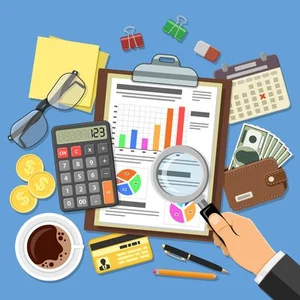
Here is a list of Liquidation related activities: Ceasing business operations, Appointing a liquidator or trustee (in formal proceedings like bankruptcy), Identifying and valuing all company assets, Selling assets to generate cash, Notifying creditors of the liquidation, Paying off company debts and liabilities according to legal priority, Filing final tax returns and other regulatory documents, and Distributing any remaining assets or cash to owners/shareholders according to their equity stake.
These activities formally wind down the affairs of a business.
The Importance of
Liquidation
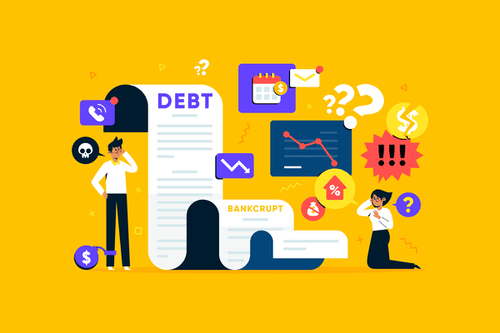
Liquidation is an important process, albeit often a difficult one, as it provides an orderly way to close a business that is no longer viable or when owners decide to exit. It aims to maximize the value recovered from assets to satisfy creditors’ claims to the greatest extent possible. For business owners, understanding the liquidation process is crucial if facing insolvency, as it dictates how debts will be settled and whether any value will remain for them. For creditors, liquidation procedures determine the likelihood and amount of recovery on amounts owed. The process is governed by legal frameworks (like bankruptcy laws) to ensure fairness.
Key Aspects of
Liquidation

Orderly Winding Up
A formal process to cease business operations and dissolve the company.
Asset Sale
Involves selling all company assets to convert them into cash.
Debt Repayment Priority
Creditors are paid according to a legally defined order of priority (e.g., secured creditors, then unsecured creditors, then equity holders).
Voluntary or Involuntary
Can be initiated voluntarily by the business owners or forced by creditors through legal proceedings like bankruptcy.
Concepts Related to
Liquidation

Liquidation is often associated with bankruptcy and insolvency, which are states of financial distress. It involves the disposal of Assets to satisfy Liabilities. The final distribution of any remaining value relates to Shareholder Equity. The Balance Sheet provides a snapshot of assets and liabilities prior to liquidation.
Liquidation
in Action:
The Adventures of Coco and Cami

Imagine if one of Coco or Cami’s early business ideas didn’t work out and they had to close it down. Professor A explains the process of Liquidation.
Learn how liquidation involves selling off the business’s assets (like ovens or coffee machines) to pay back any debts, and what happens if there’s money left over, or not enough to cover everything.
Take the Next Step
Facing difficult decisions about business closure or insolvency requires careful financial management and understanding of the liquidation process. If you need guidance on navigating these complex situations, schedule a free 30-minute consultation.
Contact Sales for a Free Consultation