Solvency
Solvency
Definition Activities Importance Aspects Concepts Action
Overview of Solvency
Definition of
Solvency

What is Solvency? Solvency refers to a company’s long-term financial health and its ability to meet all its financial obligations, including long-term debt, as they come due. It indicates whether a company has enough assets to cover its total liabilities and can continue operations indefinitely. While liquidity focuses on short-term obligations, solvency is concerned with the overall sustainability and viability of the business in the long run. A solvent company has a positive net worth (Shareholder Equity).
Activities Related to
Solvency

Here is a list of Solvency related activities: Analyzing long-term debt levels and repayment schedules, Calculating financial ratios such as the debt-to-equity ratio or interest coverage ratio, Assessing the company’s ability to generate consistent profits to cover long-term obligations, Managing capital structure effectively, Making strategic investment and financing decisions, and Undergoing risk management to protect long-term financial stability.
The Importance of
Solvency
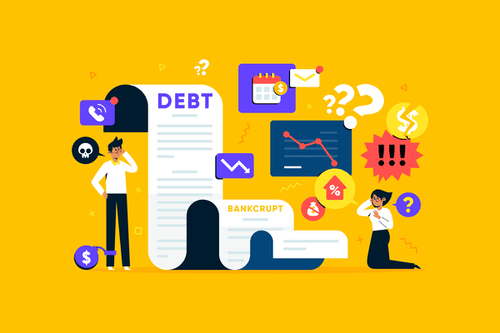
Solvency is of paramount importance for businesses because it indicates their ability to survive and thrive in the long term. A solvent company can weather economic downturns, invest in future growth, and meet all its financial commitments, thereby building trust with investors, creditors, employees, and customers. Conversely, insolvency (the inability to meet long-term obligations) can lead to bankruptcy, liquidation, and the cessation of business. Monitoring solvency helps business owners make strategic decisions to ensure the enduring financial health and viability of their enterprise.
Key Aspects of
Solvency

Long-Term Financial Health
Focuses on the ability to meet all financial obligations over the long run, not just immediate ones.
Assets Exceed Liabilities
A solvent company generally has total assets greater than its total liabilities, resulting in positive net worth or shareholder equity.
Indicator of Sustainability
Reflects the business’s capacity to continue its operations indefinitely.
Different from Liquidity
While liquidity refers to short-term ability to pay debts, solvency is about long-term viability. A company can be liquid but not solvent, or vice versa (though often related).
Concepts Related to
Solvency

Solvency is assessed using data primarily from the Balance Sheet, which shows a company’s Assets, Liabilities, and Equity. Key financial ratios like the Debt-to-Equity Ratio and the Debt Ratio are common measures of solvency. It is distinct from, but related to, Liquidity and Liquidity Ratios. Insolvency can lead to bankruptcy or Liquidation.
Solvency
in Action:
The Adventures of Coco and Cami

Coco and Cami are not just thinking about paying this month’s bills, but whether their businesses will be healthy and able to meet all their financial commitments for many years to come.
Professor A explains Solvency – the ability of their businesses to stay afloat in the long run by having more assets than debts and being able to pay all their long-term obligations.
Take the Next Step
Ensuring your business’s long-term solvency is vital for sustained success. Need help analyzing your company’s financial health or developing strategies for long-term stability? Schedule a free 30-minute consultation.
Contact Sales for a Free Consultation